New World Screwworm (NWS Cochliomyia hominivorax) has seriously disrupted importation of livestock from Mexico to the U.S., directly impacting the cost of beef to consumers. The infestation that emerged in Guatemala and spread to and then within Mexico imposes a threat to livestock producers in the U.S. states bordering our southern neighbor. On recognition of the problem surveillance and control measures were initiated emphasizing the need for cooperation among USMCA regulators.
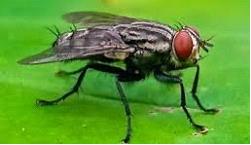 Decades ago, the problem of NWS was resolved by releasing irradiated sterile male flies that effectively suppressed and then eliminated populations of the parasite. Applying a “mission accomplished” approach without the necessary surveillance by our southern neighbors resulted in an inevitable reoccurrence of infection. To address the current situation, USDA has reactivated irradiation facilities to produce and distribute sterile male flies that will be effective but over time.
The USDA has issued a request for proposals to upgrade surveillance and control measures. Projects, even if funded and implemented will not have any immediate impact on the current emergency. Secretary Rollins is justified in her comment, “We know we have tried-and-true tools and methods that defeat this pest, but we must constantly look for new and better methods and innovate our way to success”.
The lessons that should be heeded include:
- Constant surveillance is necessary for early detection of the parasite
- Irradiation facilities should be maintained with availability of trained personnel to rapidly respond to outbreaks.
- Cooperation with neighboring nations coupled with financial support will ensure that effective surveillance and control measures are maintained. This is difficult to achieve in an atmosphere of hostility generated by U.S. policies relating to tariffs and immigration that detract from mutual understanding and collaboration.

At the end of the day nature ignores national boundaries and has an immense capacity to adapt to changes in the environment. These include socio-economic factors and global warming that facilitate the northward movement of pests and vectors of pathogens affecting human, animal and avian populations.